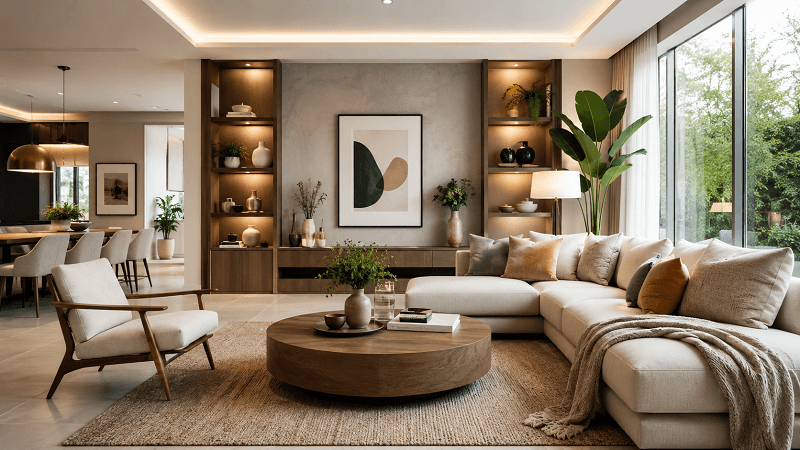
Interior design is more than choosing beautiful furniture or adding stylish decorations to a room. It is a creative and practical process that improves the appearance, comfort, and functionality of indoor spaces. A well-designed home creates balance, supports daily living, and reflects personal style. Understanding how interior design works helps homeowners make smarter decisions when planning renovations, decorating rooms, or improving their living environments.
At MintPalment, homeowners can explore modern design ideas, renovation inspiration, and practical home improvement solutions that make every space more attractive and comfortable. This complete guide explains every important part of interior design, including planning, colors, furniture, lighting, layouts, trends, and professional techniques.
Understanding Interior Design
Interior design is the process of improving indoor spaces to make them functional, comfortable, and visually appealing. Designers combine creativity with technical knowledge to organize furniture, lighting, colors, textures, and decorative elements inside homes or buildings.
The main goal of interior design is to create spaces that match the needs and lifestyles of homeowners. Every room should look beautiful while also supporting everyday activities. Good interior design improves movement, storage, comfort, lighting, and overall atmosphere.
Modern interior design focuses on both aesthetics and practicality. Designers carefully plan every detail to ensure the home feels balanced and welcoming.
Why Interior Design Is Important
Interior design plays a major role in how people experience their homes. A properly designed room can improve comfort, productivity, relaxation, and even emotional well-being.
Some important benefits of interior design include:
Better Space Utilization
Interior design helps homeowners use available space efficiently. Small rooms can appear larger through smart layouts, storage solutions, and lighting techniques.
Improved Comfort
Comfortable furniture, proper lighting, and organized layouts create a relaxing environment for daily life.
Enhanced Home Value
Beautiful and functional interiors increase property value. Modern kitchens, stylish living rooms, and upgraded bathrooms attract potential buyers.
Personalized Living Spaces
Interior design allows homeowners to express their personalities through colors, furniture, decorations, and layouts.
Better Functionality
A good design improves movement and convenience inside the home. Every item is placed with purpose and accessibility in mind.
The Main Principles of Interior Design
Understanding design principles is essential for creating balanced and attractive spaces. Professional designers use these principles when planning interiors.
Balance
Balance creates visual stability inside a room. Furniture, colors, and decorations should feel evenly distributed.
There are three main types of balance:
- Symmetrical balance
- Asymmetrical balance
- Radial balance
Symmetrical layouts create formal and organized spaces, while asymmetrical designs feel more modern and creative.
Harmony
Harmony ensures all design elements work together smoothly. Colors, materials, and furniture styles should complement each other instead of competing for attention.
Contrast
Contrast adds visual interest to a room. Designers often combine light and dark colors, smooth and rough textures, or modern and traditional elements.
Rhythm
Rhythm creates movement within a design. Repeating patterns, colors, or shapes guides the eye naturally throughout the space.
Emphasis
Every room should have a focal point. This could be a fireplace, artwork, stylish sofa, or decorative lighting fixture.
Scale and Proportion
Furniture and decorations should match the size of the room. Oversized furniture can overwhelm small spaces, while tiny pieces may look awkward in large rooms.
How Interior Design Works MintPalment in Modern Homes
Understanding how interior design works mintpalment helps homeowners create spaces that combine beauty, functionality, and comfort. Interior design begins with careful planning and continues through several important stages.
The process usually includes:
- Understanding homeowner needs
- Creating layouts and floor plans
- Choosing color schemes
- Selecting furniture and materials
- Planning lighting solutions
- Adding decorations and accessories
- Final styling and adjustments
Each step contributes to the overall appearance and usability of the home.
Step 1: Understanding Space and Lifestyle
The first stage of interior design focuses on understanding the homeowner’s lifestyle and available space.
Designers ask questions such as:
- How many people live in the home?
- What activities happen in each room?
- What design style does the homeowner prefer?
- What storage solutions are needed?
- What budget is available?
A family with children may need durable furniture and large storage spaces, while a minimalist homeowner may prefer simple layouts with clean lines.
The design should always match the practical needs of daily living.
Step 2: Space Planning and Layout Design
Space planning is one of the most important parts of interior design. Designers organize furniture and pathways to improve movement and functionality.
A successful layout ensures:
- Easy movement between areas
- Comfortable furniture placement
- Proper spacing
- Balanced room proportions
- Functional activity zones
Open floor plans are popular in modern homes because they create larger and brighter environments. Designers also use multifunctional furniture to maximize small spaces.
Examples include:
- Storage beds
- Foldable tables
- Modular sofas
- Wall-mounted shelves
Proper space planning prevents clutter and improves comfort.
Step 3: Choosing the Right Color Scheme
Color greatly affects mood and atmosphere inside a home. Designers carefully choose colors based on room purpose, lighting, and homeowner preferences.
Warm Colors
Warm tones such as red, orange, and yellow create energetic and welcoming spaces.
Cool Colors
Blue, green, and gray provide calm and relaxing environments.
Neutral Colors
White, beige, cream, and soft gray remain popular because they work well with many design styles.
Color psychology is important in interior design. For example:
- Blue promotes relaxation
- Green creates freshness
- Yellow adds warmth
- Gray provides sophistication
Accent colors add personality without overwhelming the room.
Step 4: Furniture Selection
Furniture is a central part of interior design. Designers choose pieces based on comfort, functionality, durability, and style.
Important furniture considerations include:
- Room size
- Material quality
- Comfort level
- Design theme
- Storage functionality
Modern interior design often includes clean lines, natural materials, and practical furniture arrangements.
Popular furniture materials include:
- Wood
- Metal
- Glass
- Leather
- Fabric upholstery
Furniture placement should encourage conversation, movement, and usability.
Step 5: Lighting Design
Lighting transforms the appearance and mood of a room. A combination of natural and artificial lighting creates balance and functionality.
There are three main lighting types:
Ambient Lighting
General lighting that brightens the entire room.
Task Lighting
Focused lighting for activities like reading, cooking, or working.
Accent Lighting
Decorative lighting used to highlight artwork, shelves, or architectural features.
Large windows, mirrors, and light-colored walls help maximize natural light.
Popular lighting fixtures include:
- Pendant lights
- Chandeliers
- Floor lamps
- Wall sconces
- Recessed lighting
Modern homes often use layered lighting for flexibility and atmosphere control.
Step 6: Materials and Textures
Textures and materials add depth and personality to interiors. Designers combine various surfaces to create visual interest.
Popular materials include:
- Marble
- Wood
- Stone
- Brick
- Metal
- Glass
Soft textures such as rugs, curtains, and cushions create warmth and comfort. Combining smooth and rough textures improves room balance.
For example:
- Wooden floors with soft rugs
- Glass tables with fabric chairs
- Metal fixtures with natural wood
These combinations create sophisticated and inviting interiors.
Step 7: Decorative Elements and Accessories
Accessories complete the design and reflect homeowner personality.
Common decorative items include:
- Artwork
- Plants
- Mirrors
- Decorative pillows
- Rugs
- Vases
- Wall decorations
Indoor plants are especially popular because they improve air quality and add natural beauty.
Designers avoid overcrowding rooms with excessive decorations. Minimal and intentional styling creates cleaner and more elegant spaces.
Popular Interior Design Styles
Different homeowners prefer different design styles. Understanding popular styles helps people choose themes that match their preferences.
Modern Style
Modern interiors focus on simplicity, clean lines, and neutral colors. Furniture often has smooth surfaces and minimal decoration.
Contemporary Style
Contemporary design follows current trends and combines modern elements with comfort and creativity.
Minimalist Style
Minimalism emphasizes simplicity and functionality. Rooms contain fewer decorative items and more open space.
Scandinavian Style
Scandinavian interiors feature natural light, soft colors, wooden materials, and cozy textures.
Industrial Style
Industrial design uses exposed brick, metal fixtures, concrete surfaces, and dark tones.
Traditional Style
Traditional interiors include classic furniture, rich wood finishes, elegant fabrics, and decorative details.
Bohemian Style
Bohemian spaces combine colorful textiles, artistic decorations, and layered textures for a relaxed atmosphere.
Interior Design for Different Rooms
Every room has unique design requirements.
Living Room Design
Living rooms should feel welcoming and comfortable. Designers focus on seating arrangements, entertainment areas, and lighting balance.
Kitchen Design
Modern kitchens emphasize functionality, storage, and workflow efficiency. Open shelves, islands, and smart appliances remain popular.
Bedroom Design
Bedrooms should promote relaxation and comfort. Soft colors, cozy fabrics, and calming lighting improve sleep quality.
Bathroom Design
Bathrooms benefit from modern fixtures, clean layouts, and moisture-resistant materials.
Home Office Design
Home offices require ergonomic furniture, organized storage, and productive lighting setups.
Common Interior Design Mistakes
Many homeowners make design mistakes that affect comfort and appearance.
Common mistakes include:
- Overcrowding rooms
- Poor lighting choices
- Ignoring scale and proportion
- Using too many colors
- Blocking natural light
- Choosing style over functionality
- Neglecting storage solutions
Avoiding these problems creates cleaner and more practical interiors.
Budget-Friendly Interior Design Tips
Beautiful interiors do not always require large budgets. Smart planning can create impressive results at lower costs.
Use Paint Creatively
Fresh paint instantly transforms rooms at affordable prices.
Rearrange Furniture
Changing furniture layouts improves room appearance without spending money.
Add Mirrors
Mirrors reflect light and make small rooms feel larger.
Upgrade Lighting
Modern lighting fixtures improve atmosphere and style.
Use Multi-Functional Furniture
Furniture with storage saves space and reduces clutter.
Add Indoor Plants
Plants provide affordable decoration and natural freshness.
Mix Expensive and Affordable Items
Combining premium statement pieces with budget-friendly accessories creates balance.
The Future of Interior Design
Interior design continues evolving with new technologies and lifestyle trends.
Modern trends include:
- Smart home integration
- Sustainable materials
- Eco-friendly furniture
- Minimalist living
- Multifunctional spaces
- Energy-efficient lighting
- Natural textures and colors
Sustainability is becoming increasingly important. Many homeowners now prefer recycled materials, energy-saving appliances, and environmentally friendly designs.
Technology also influences interiors through smart lighting, automated curtains, voice-controlled systems, and modern security features.
How Interior Design Works MintPalment for Better Living
Today, homeowners want interiors that combine beauty, comfort, and practicality. Understanding how interior design works mintpalment helps readers make informed decisions about layouts, furniture, colors, and renovations.
Interior design is not only about appearance. It improves lifestyle, organization, and emotional well-being. Thoughtful design transforms ordinary houses into welcoming homes that support daily activities and personal comfort.
Whether upgrading a single room or renovating an entire house, proper interior design planning creates spaces that remain functional and attractive for years.
Final Thoughts
Interior design is a powerful combination of creativity and functionality. Every detail inside a home contributes to comfort, beauty, and usability. From layouts and lighting to colors and furniture, each design decision affects the overall atmosphere of a space.
Homeowners who understand design principles can create interiors that reflect their personalities while supporting practical needs. Modern interior design focuses on balance, comfort, organization, and timeless style.
At MintPalment, readers can continue exploring expert advice, renovation ideas, and practical inspiration for transforming homes into stylish and comfortable living spaces. By learning how interior design works mintpalment, homeowners gain the confidence to improve their interiors with smart planning and creative solutions.